Burst Pipes in Texas: Why They Happen and How to Prevent Them
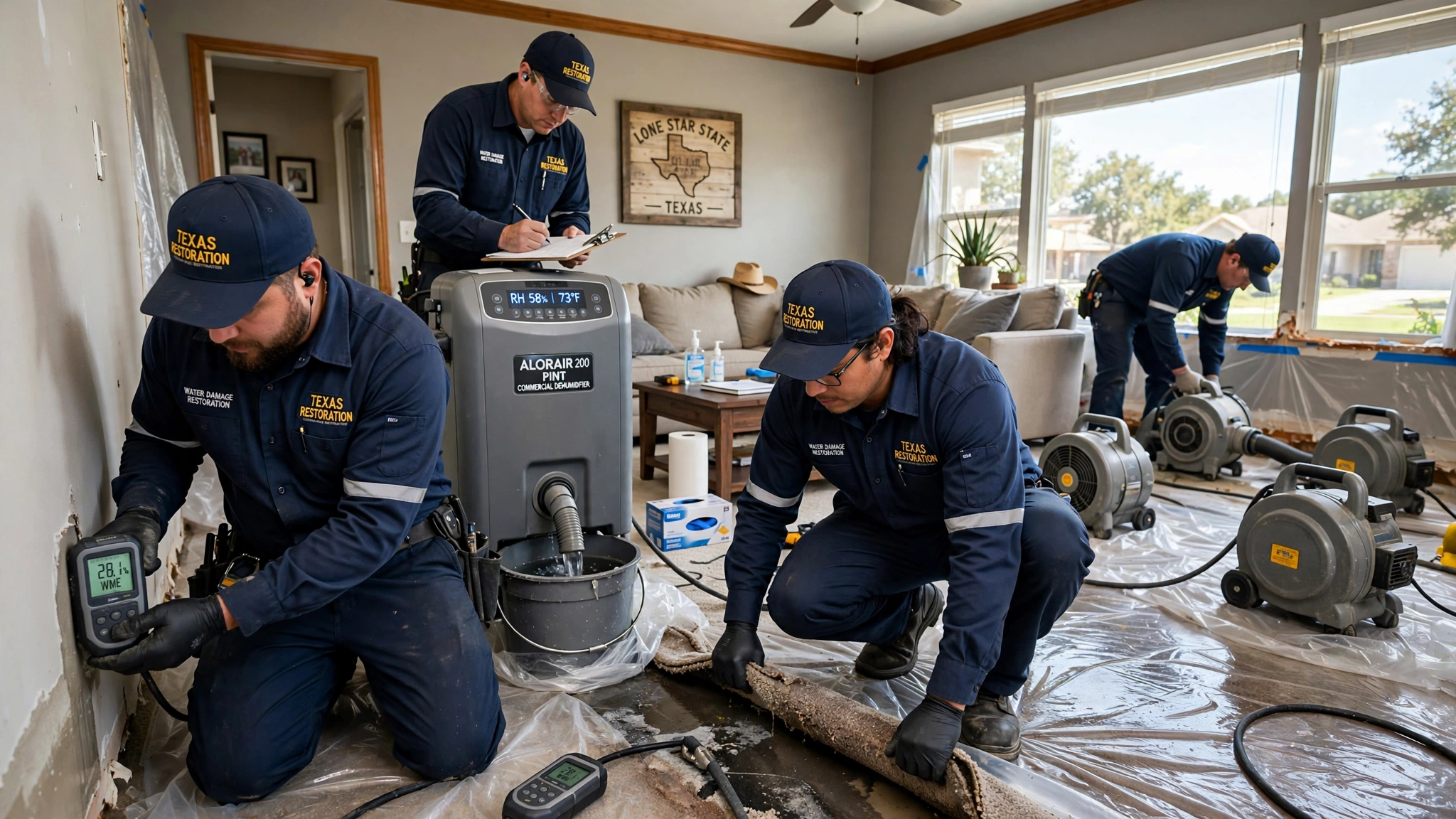
Texas pipes aren’t built for deep freezes — and the February 2021 disaster proved it, bursting pipes in hundreds of thousands of homes. Here’s why Texas plumbing is uniquely vulnerable, the warning signs of a pipe about to fail, and exactly how to protect your home before the next cold snap.
Why Texas Pipes Burst More Than You’d Expect
Texas doesn’t get many hard freezes — which is precisely the problem. In northern states, plumbing runs through conditioned spaces and deep below the frost line. In Texas, decades of mild winters meant builders routinely ran water lines through unconditioned attics, exterior walls, and garages with minimal insulation. When the February 2021 freeze dropped temperatures into the teens for days, those exposed pipes froze, expanded, and split by the hundreds of thousands.
But freezes aren’t the only cause. Texas plumbers see burst and failed pipes year-round from:
- Hard water corrosion. Much of Texas has very hard water, which corrodes copper and galvanized pipes from the inside over 15–25 years. Older homes in Addison, Dripping Springs, and other established suburbs are in the prime failure window for original plumbing.
- High water pressure. Municipal pressure above 80 PSI stresses joints and supply lines.
- Foundation movement. Expansive clay soils shift Texas slabs seasonally, stressing pipes embedded in or under the foundation until they crack.
- Failed supply lines. Rubber washing-machine hoses and plastic ice-maker lines are the most common burst culprits we see — they age out in 5–8 years and fail catastrophically, often while nobody’s home.
Warning Signs Your Pipes Are in Trouble
Pipes rarely burst without warning. Watch for:
- Water hammer — loud banging when faucets close signals pressure problems stressing your joints
- Discolored water — brown or rusty water means interior pipe corrosion is advanced
- Damp spots or musty smells near walls — a pinhole leak today is a burst pipe tomorrow (see ceiling and wall water damage)
- Unexplained water bill spikes — a hidden leak can waste thousands of gallons before you see a drop
- Low pressure at one fixture — can indicate a developing leak in that branch line
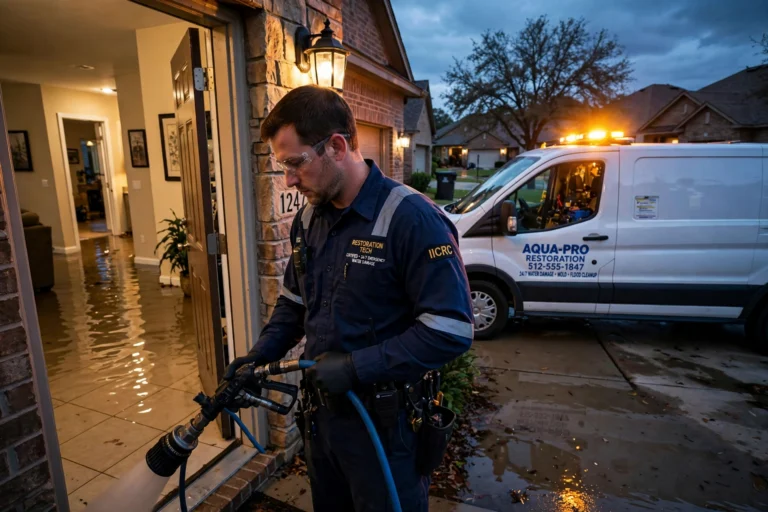
A burst pipe can release hundreds of gallons per hour. If you discover one, shut off your main valve immediately and call for burst pipe water damage repair — the drying clock is already running.
Freeze Prevention: The Texas Homeowner’s Checklist
Before the next Arctic blast (and Texas will see another one):
- Insulate exposed pipes — foam sleeves on every pipe in the attic, garage, crawl space, and exterior walls. This is the single highest-ROI prevention step for Texas homes.
- Know your main shutoff. Find it now, test that it turns, and make sure everyone in the household knows where it is. In a burst emergency, minutes matter.
- Drip faucets in a hard freeze. Let both hot and cold lines drip slowly on exterior-wall faucets when temperatures drop below freezing for extended hours — moving water resists freezing.
- Open cabinet doors under sinks on exterior walls so warm air reaches the pipes.
- Keep the heat on — never below 55°F, even when traveling. More Texas freeze damage happens in vacant homes than occupied ones.
- Disconnect hoses and cover hose bibs. A connected hose traps water in the bib, which freezes back into the wall pipe.
- Install smart leak detectors.
Year-Round Pipe Protection
- Replace rubber washer hoses with braided stainless steel lines — and replace them proactively every 5–7 years.
- Install a pressure regulator if your static pressure exceeds 80 PSI (a plumber can test in minutes).
- Flush your water heater annually — Texas hard water builds sediment that corrodes tanks from the inside. Most tank failures local professionals respond to (appliance leaks) were preventable with basic maintenance.
- Consider a whole-home water softener in hard-water areas — it extends the life of every pipe, valve, and appliance in the house.
The EPA WaterSense program has excellent resources on household leak detection — the average home loses thousands of gallons a year to undetected leaks.
Burst Pipe FAQs
At what temperature do Texas pipes freeze?
Pipes in unconditioned spaces can begin freezing when temperatures stay below 20°F for several hours, though wind chill and exposure matter too. The 2021 freeze showed that multi-day teens are catastrophic for Texas plumbing — insulate before, not during.
Should I drip my faucets during a Texas freeze?
Yes — during extended sub-freezing temperatures, let faucets on exterior walls drip slowly (both hot and cold).
Does homeowners insurance cover burst pipes in Texas?
Sudden pipe bursts are typically covered, including the resulting water damage. However, damage from pipes you knew were corroded and didn’t repair, or from heat left off in a vacant home, can be denied. Gradual leaks are excluded.
Burst Pipe Emergency?
Shut off your main valve, then call us. Fast extraction and drying across Texas — local professionals handle the mess and help with your insurance claim.