Texas Freeze Protection Winterizing Pipes
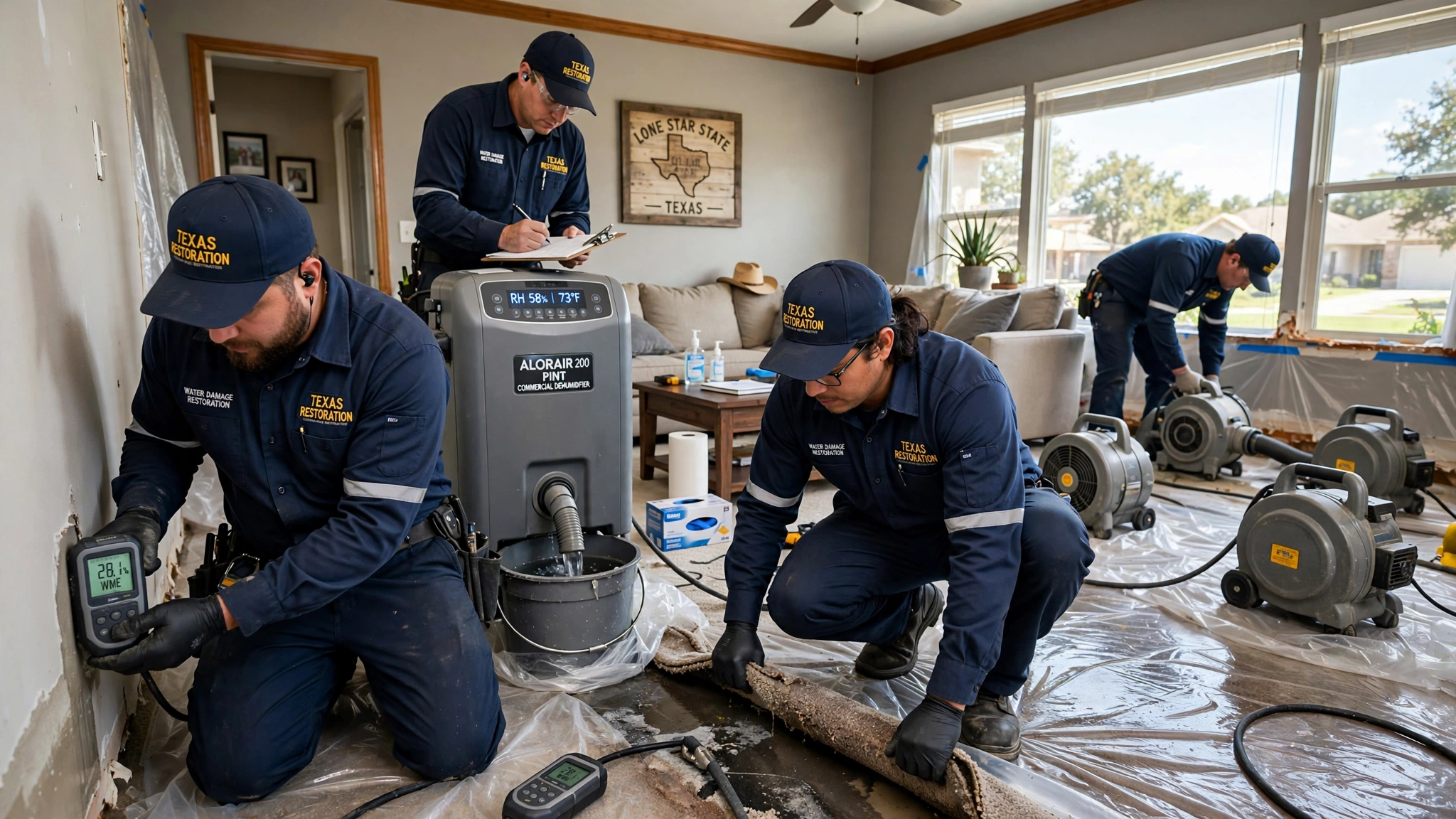
February 2021 changed how Texas thinks about winter. Winter Storm Uri pushed single-digit temperatures deep into South Texas, burst pipes in hundreds of thousands of homes, and caused the costliest freeze-related water damage event in state history. I spent weeks after that storm in attics full of split PEX and copper — and almost every failure was preventable.
Texas homes are built for heat, not cold: water lines run through unconditioned attics, hose bibs lack frost protection, and insulation is optimized for keeping heat out, not in. That makes winterizing a different job here than in Minnesota — here’s what actually matters.
Why Texas Pipes Are So Vulnerable
Three quirks of Texas construction create the risk:
- Attic plumbing. To avoid jackhammering slabs, Texas builders routinely run water lines through the attic. An attic can drop below freezing within hours when the power — and the furnace — goes out. A burst pipe in the attic doesn’t drip; it rains through your ceilings.
- Exterior wall runs. Kitchen and bath lines on exterior walls have almost no insulation buffer in our mild-climate wall assemblies.
- Unprotected hose bibs and irrigation. Standard hose bibs (not frost-free sillcocks) hold water right at the exterior wall. Backflow preventers and above-ground irrigation valves shatter in hard freezes.
The Winterizing Checklist (Do It Every Fall)
Insulate exposed pipes
Foam pipe sleeves on every exposed run: attic, garage, crawl space, exterior walls. Pay special attention to bends and fittings — elbows freeze first because turbulence slows flow there. For high-risk attic runs, consider heat tape (self-regulating type) on a thermostat, properly installed per manufacturer instructions.
Protect hose bibs and irrigation
Disconnect all hoses — a connected hose traps water in the bib and guarantees a split. Shut off and drain the irrigation system; wrap the backflow preventer with an insulated pouch.
Seal the attic and garage
Cold air infiltration freezes pipes faster than still cold air. Seal attic access hatches, close foundation vents in a hard freeze, and don’t leave the garage door open — garage plumbing and water heaters in unconditioned garages are freeze targets.
Know your shutoff (and your neighbors’)
Review our emergency water main guide before you need it. During Uri, the homes with the least damage were the ones where someone knew where the valve was.
When the Freeze Hits: Active Defense
- Drip faucets on exterior walls — both hot and cold, a pencil-thin stream. Moving water is far harder to freeze. Yes, it costs a few dollars in water; a burst pipe costs thousands.
- Open cabinet doors under sinks on exterior walls so house heat reaches the pipes.
- Keep the thermostat at 55°F minimum, even if you’re leaving town. Never turn the heat off entirely.
- If the power goes out, shut the main water off and drain the lines (open lowest and highest faucets). No water in the pipes means nothing to freeze and burst. This is the single most effective Uri lesson.
- Garage: if your water heater or softener is in the garage, keep the garage door closed and consider a safe heat source — but never a propane heater indoors.
Long-Term Upgrades Worth Considering
- Replace gate-valve mains with ball valves so you can actually shut water off in an emergency.
- Install an automatic water shutoff system with freeze sensors — it kills the main when temperatures drop or water is detected.
- Insulate and condition the attic where plumbing runs — even partial conditioning dramatically reduces freeze risk.
- PEX repiping for chronic problem homes: PEX expands slightly rather than splitting like copper, giving you margin in a freeze (though fittings can still fail).
Frequently Asked Questions
The Bottom Line
Uri taught Texas a permanent lesson: our homes aren’t built for sustained deep freezes, so we have to compensate with preparation. Insulate in the fall, drip and open cabinets during the event, and know how to kill the main if the power fails. An hour of winterizing beats a month of emergency restoration every time.
Frozen or Burst Pipes in Texas?
24/7 emergency response across the state — from Marble Falls to Whitehouse.