Documenting Water Damage for Insurance Claims in Texas
The difference between a smooth claim and a denied one is usually documentation. Here’s the exact protocol adjusters wish every homeowner followed.
After water damage, you’re dealing with shock, a wet house, and a ticking clock. But the photos you take and the records you keep in the first 48 hours largely determine what your insurer pays. Texas adjusters handle thousands of water claims a year — the well-documented ones move fast; the thin ones stall or get denied. Here’s how to build a bulletproof file.
Step 1: Photograph Before You Touch Anything
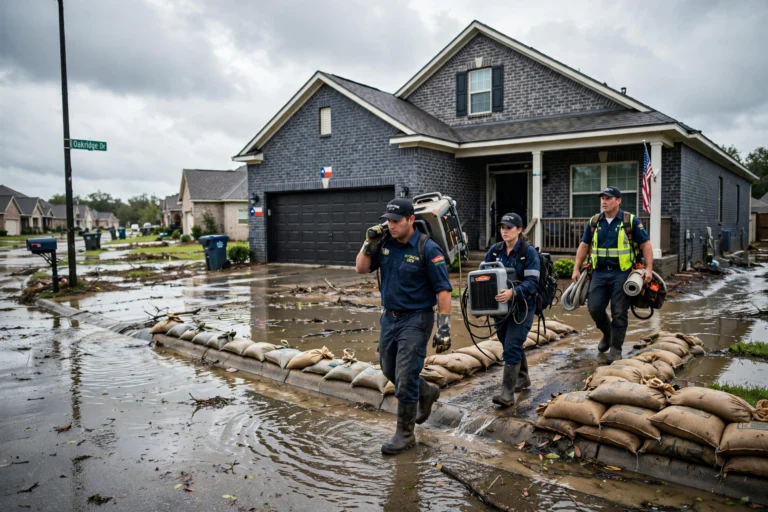
Before moving a single item or starting cleanup, walk the entire affected area with your phone and capture: wide shots of every room showing the full extent, close-ups of damage to walls, floors, and contents, the water source (burst pipe, appliance, roof leak), and waterlines on walls showing how high water reached. Shoot video too — a slow narrated walkthrough is powerful evidence. Make sure timestamps are enabled; they establish the timeline insurers scrutinize.
Step 2: Document the Source and the Spread
Photograph the failed component itself — the split supply line, the rusted water heater tank, the hail-damaged roof section. Then document the path: water travels, so capture every room it touched, including closets and areas behind furniture. Open cabinets and photograph inside. Insurers pay for the full scope of resulting damage, but only what you can prove got wet.
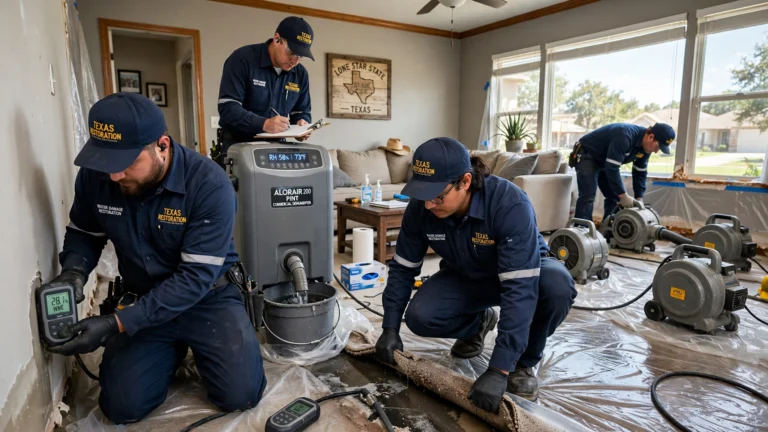
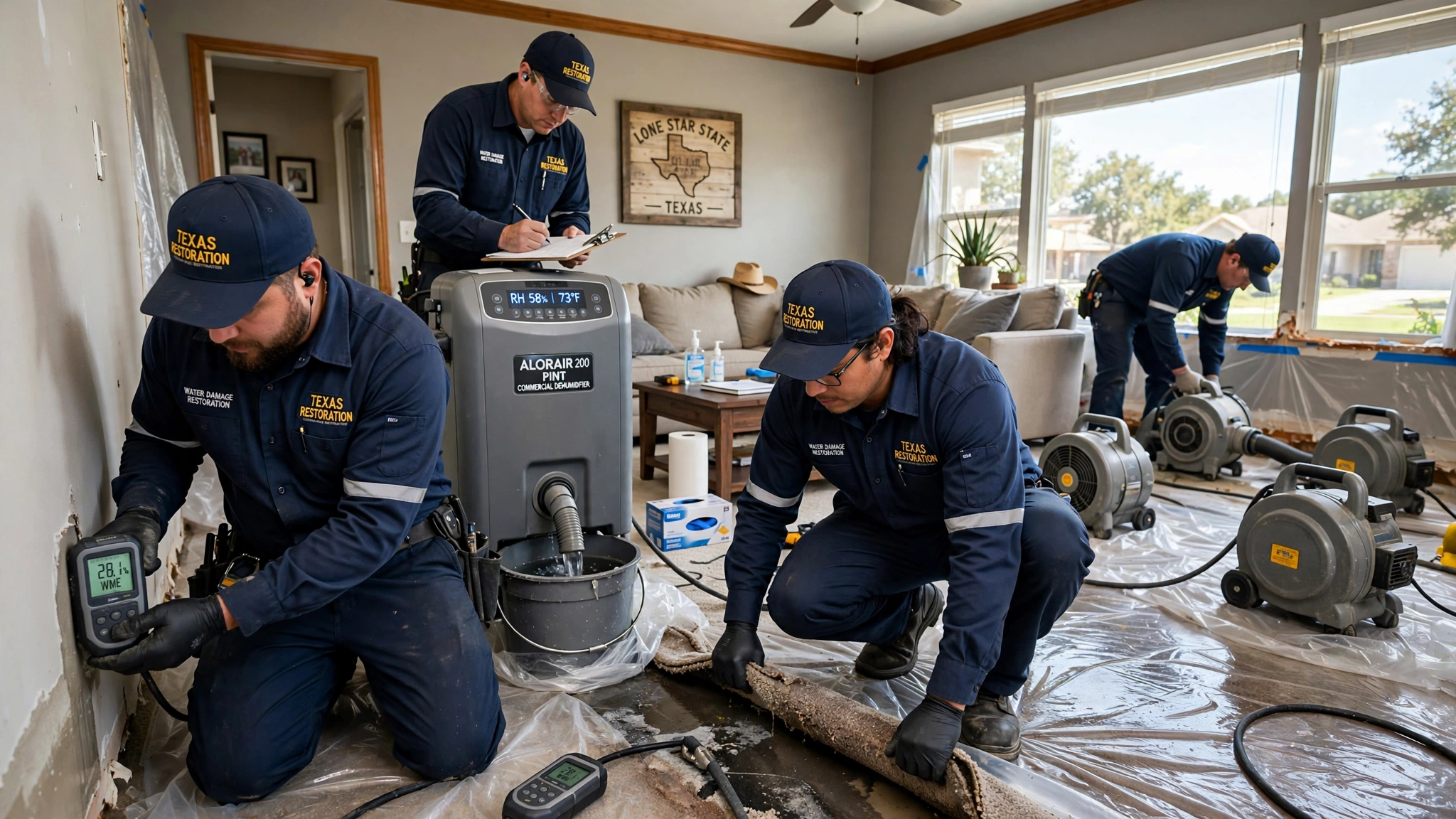
Ask your restoration crew for their documentation. Professional teams take moisture meter readings, thermal images, and daily drying logs. Request copies — this technical evidence carries enormous weight with adjusters and supports extraction and drying charges.
Step 3: Inventory Everything Damaged
Create a simple spreadsheet: item, brand/model, age, purchase price (or estimate), and condition before the loss. Photograph serial numbers and model plates on appliances and electronics. For clothing and soft goods, group photos with counts work. Keep samples of damaged materials — a square of ruined carpet, a piece of warped baseboard — in bags; adjusters sometimes want physical evidence, and you shouldn’t discard everything before they inspect.
Don’t throw everything away. Insurers can deny items they never got to inspect. Document first, then discard — and photograph the discard pile too. The exception is genuine health hazards like sewage-soaked porous materials, which should be removed promptly; photograph them thoroughly first.
Step 4: Build the Paper Trail
Save every receipt: emergency mitigation, hotel stays if displaced, replacement purchases. Log every call with your insurer — date, name, reference number, what was said. Get your restoration estimate in writing with line items, not a lump sum. If the adjuster’s scope misses things your contractor found, that’s what the supplement process is for — additional documented damage submitted after the initial estimate.
Texas-Specific Notes
Texas has a prompt payment law: once you accept a settlement, insurers face deadlines to pay, with penalties for delays — the Texas Department of Insurance enforces this. Coastal wind/hail claims may involve TWIA with different procedures than standard carriers. And remember the sudden-vs-gradual distinction: sudden bursts are typically covered, while long-term seepage often isn’t — your documentation should establish the timeline clearly. Our insurance claim help page walks through the full process.
FAQs
What if I already cleaned up before documenting?
All is not lost — your restoration company’s photos and moisture logs, plus receipts and your written timeline, still build a case. File promptly and be honest about the sequence.
Are phone photos good enough?
Yes. Modern phone photos with timestamps are perfectly acceptable evidence. Quantity and coverage matter more than professional quality.
Should I be present for the adjuster visit?
Absolutely — walk them through every affected area, share your documentation, and point out damage that’s easy to miss (inside closets, behind appliances). Then get their scope in writing.
Do I need a public adjuster?
For straightforward claims, usually not. For large or disputed claims — especially after mold is discovered mid-project or in Cedar Hill and Keller storm claims — a public adjuster works for you, not the insurer, for a percentage of the settlement.
Water Damage Can’t Wait
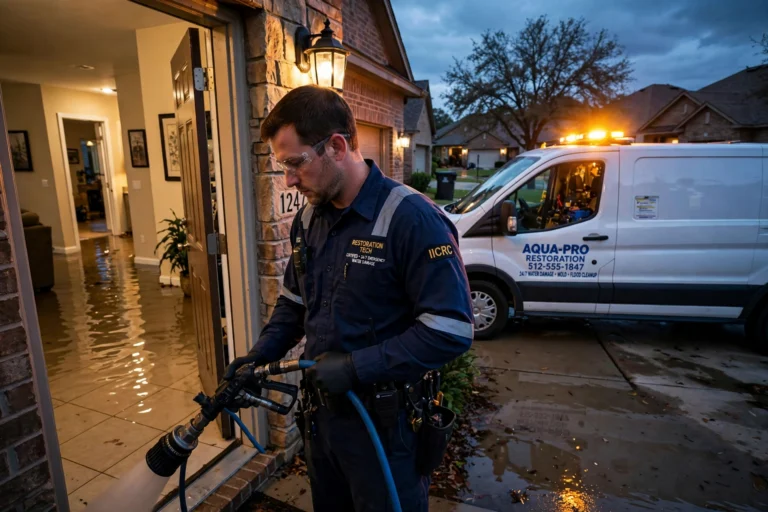
Local Texas crews respond around the clock for extraction, drying, and full restoration. Call now for fast help.