Water Damage vs. Flood Damage: What’s the Difference in Texas?
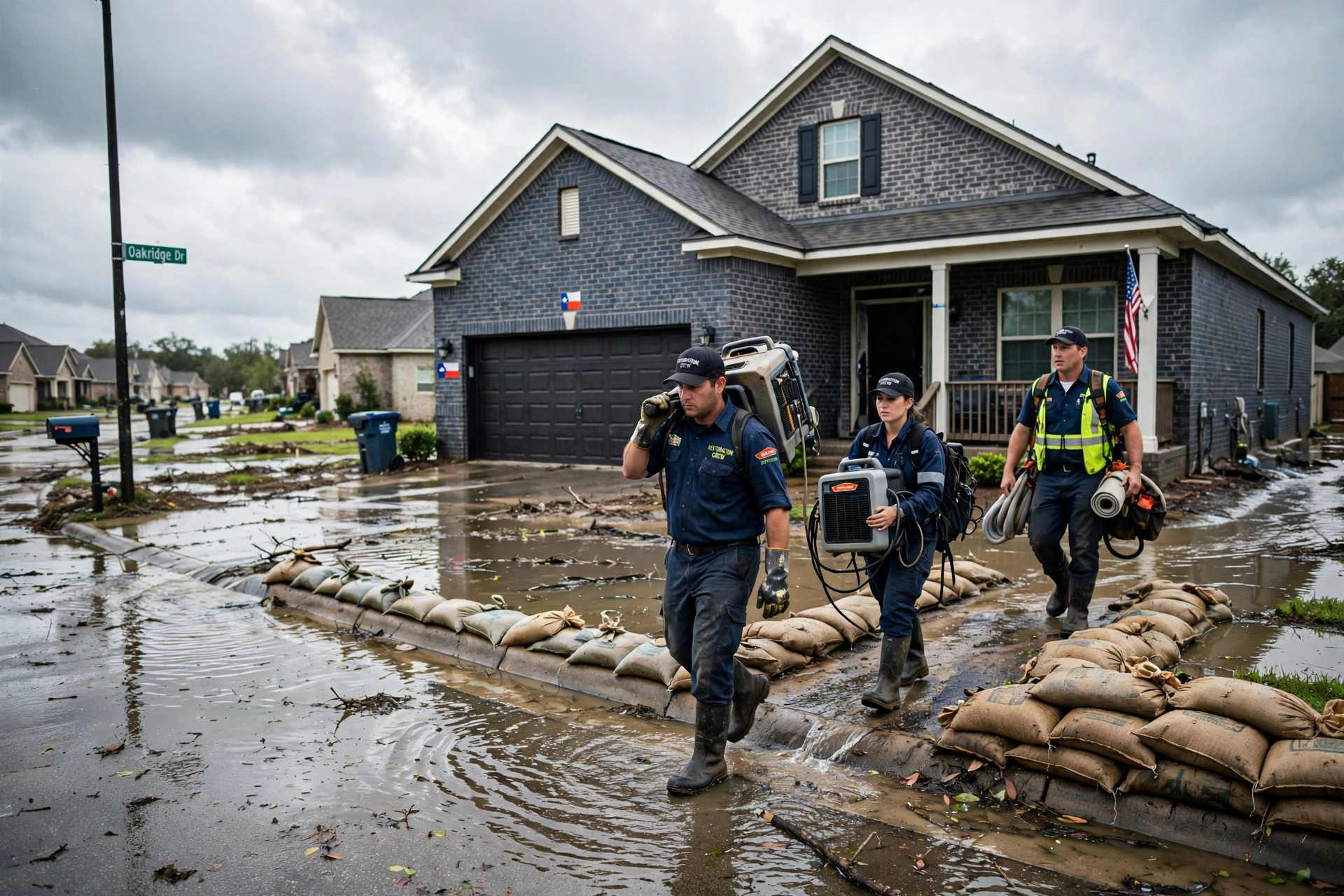
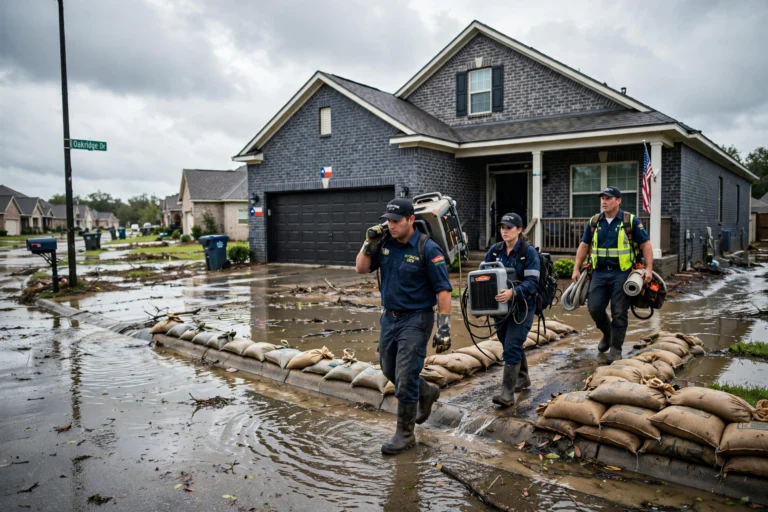
After a Texas storm, one word on your insurance claim can decide whether you get a check or a denial: was it water damage or flood damage? They sound alike, but in insurance language they are entirely different perils — covered by different policies, with different deductibles. In a state that gets hurricanes, hail, tornadoes, and flash floods, every homeowner should understand the distinction before the water comes.
The Definitions (Insurance Language)
Water damage generally means sudden, accidental discharge from inside or related to the structure: a burst pipe, a failed water heater, an appliance hose rupture, or rain entering through a storm-created opening (like wind tearing off shingles). Flood damage means water rising from outside and covering normally dry land: storm surge, overflowing bayous and rivers, flash flooding, or groundwater seepage. The key test insurers apply: did the water come from above/inside (water damage) or rise from the ground up (flood)?
Why This Matters So Much in Texas
Texas leads the nation in weather-disaster variety, and our insurance reflects it. Standard homeowners policies typically cover sudden water damage but exclude flooding entirely — flood coverage comes only from a separate NFIP (National Flood Insurance Program) policy or private flood insurance. On the Gulf Coast, wind and hail may fall under TWIA (Texas Windstorm Insurance Association) in the 14 coastal counties, and hurricane claims often trigger “named-storm” deductibles of 1–5% of your insured value — far higher than your standard deductible. After events like Harvey and Beryl, thousands of Clute and Galena Park area homeowners learned this distinction the expensive way. FEMA’s FloodSmart site explains how flood policies work and why the standard 30-day waiting period means you cannot buy coverage when a storm is already forming.
The Gray Areas That Decide Claims
Real storms do not respect neat categories. Wind-driven rain entering through a storm-torn roof section is typically covered as water damage under homeowners or TWIA wind coverage. But if that same storm also pushes bayou water across your floor, you now have two perils, two claims, and two deductibles. Sewer backup from overwhelmed city lines during a storm? Usually excluded without a water-backup endorsement. Groundwater seeping through foundation cracks? Excluded almost everywhere — that is considered maintenance, not a sudden event. This is why documentation matters: photograph water lines, entry points, and damage before cleanup, and keep samples of damaged materials.
A Real Texas Scenario
Picture a Category 2 hurricane hitting the upper coast: storm surge pushes two feet of bayou water through your first floor (flood — NFIP claim), while the same storm’s winds tear a section of shingles off and rain soaks your attic and second-floor ceilings (wind and water damage — homeowners or TWIA claim). One storm, two claims, two adjusters, two deductibles. Homeowners who understand this before filing get both claims moving in parallel instead of discovering the split months later.
What to Document for Your Claim
- Photos/video of every affected room, water lines on walls, and the apparent entry point of the water.
- The source: burst pipe, roof opening, rising exterior water — note it explicitly.
- A room-by-room inventory of damaged items with approximate age and value.
- All receipts for emergency mitigation (tarping, water extraction) — your policy requires you to prevent further damage.
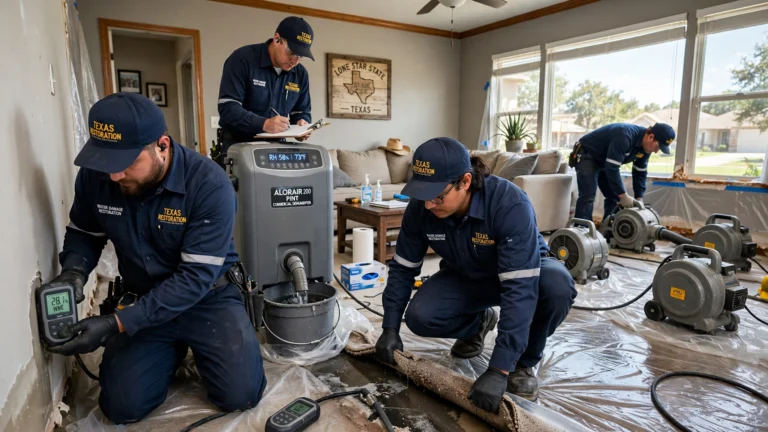
- Moisture readings and drying logs if professionals handle mitigation — our insurance claim help team uses these to support supplements when initial estimates fall short.
What Professionals Do Differently by Type
For covered water damage, mitigation focuses on rapid structural drying and saving materials where possible. For flood events, the protocol is stricter: floodwater is Category 3 black water, so porous materials below the water line — drywall, insulation, carpet pad — are removed rather than dried, and everything remaining gets antimicrobial treatment. Our flood damage restoration process follows that stricter standard regardless of what the adjuster calls it, because your family’s health does not depend on policy language.
Frequently Asked Questions
Does homeowners insurance cover hurricane flooding?
No. Storm surge and rising water are flood perils, excluded from standard homeowners policies. You need a separate NFIP or private flood policy — and remember the 30-day waiting period.
What is TWIA?
The Texas Windstorm Insurance Association provides windstorm and hail coverage for property in 14 coastal counties where private insurers limit exposure. It covers wind-driven damage, not flooding.
Should inland Texans buy flood insurance?
Strongly consider it. A large share of flood claims come from outside mapped high-risk zones — flash flooding does not check flood maps. NFIP preferred-risk policies for low-risk areas are relatively affordable.
What if wind AND flood damaged my home?
You likely have two separate claims with two deductibles: a wind claim (homeowners or TWIA) and a flood claim (NFIP). Document each peril’s damage separately with photos tied to entry points.
Storm Damage? Know What You Are Owed.
Local professionals document every loss to insurance standards and help you navigate the claim. Start with our storm damage restoration team.