Appliance Hoses Preventable Cause Water Damage
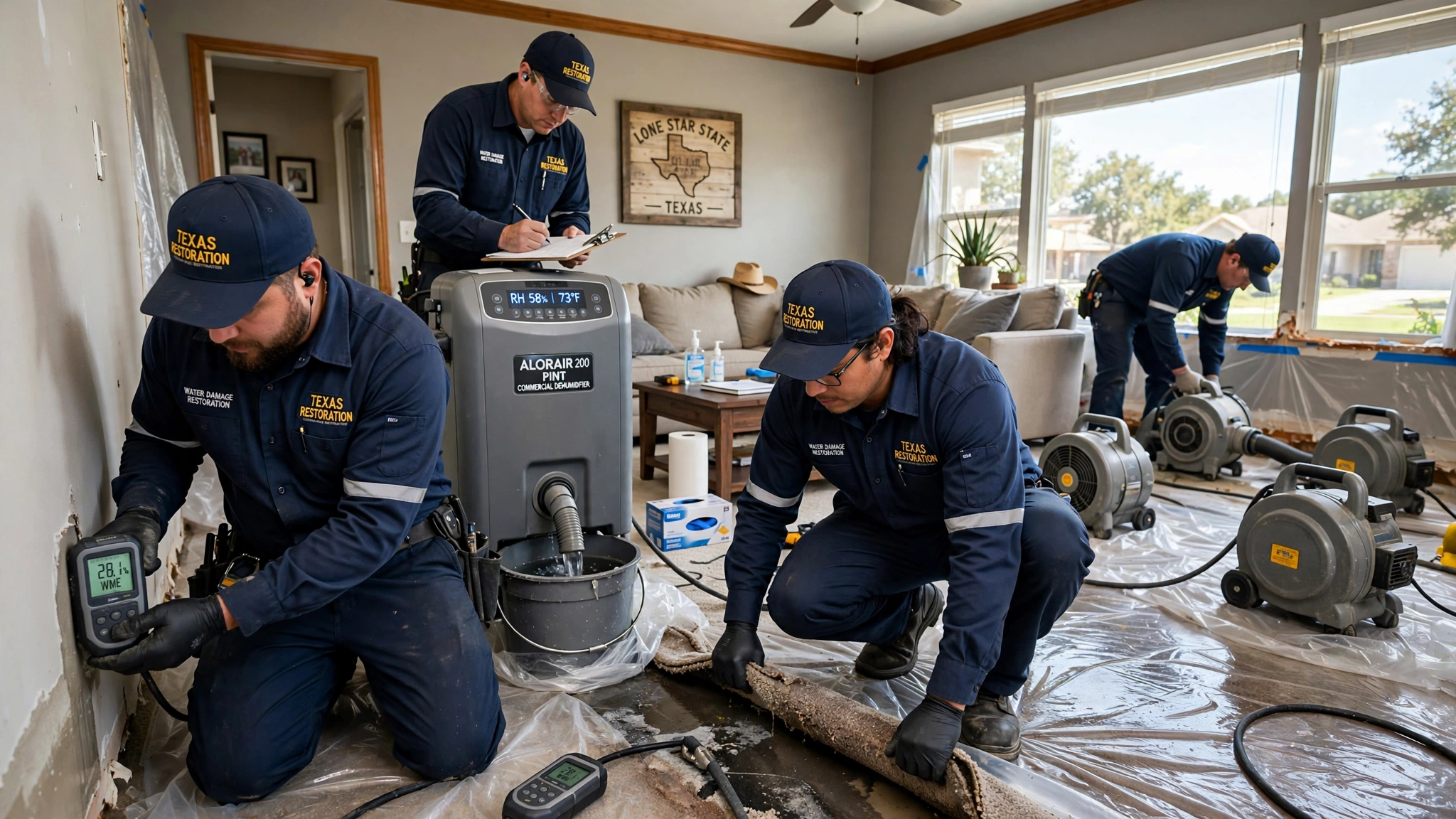
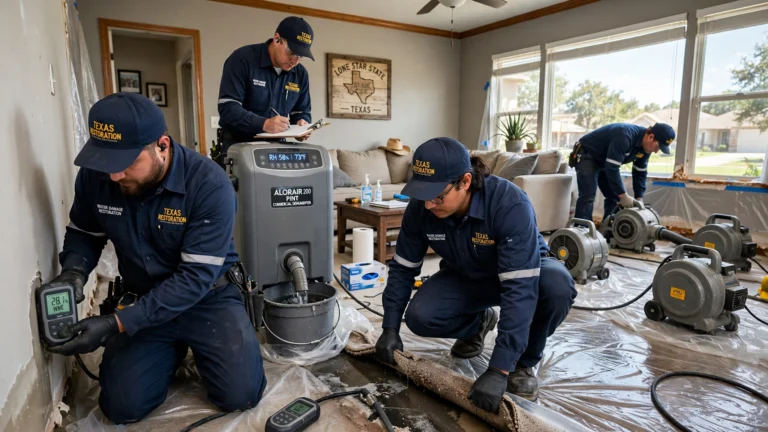
Here’s a statistic that surprises most Texas homeowners: the most common source of water damage I respond to isn’t storms, isn’t burst pipes, isn’t even floods.
Appliance supply lines fail more often — and cause more total damage — than any other single source in the home. The good news?
The Usual Suspects, Ranked by Damage
1. Washing machine hoses — the undisputed champion
Standard rubber washing machine hoses are rated for about 5 years. Most Texas homes I walk into have hoses old enough to vote. Rubber degrades from the inside: heat, pressure cycling, and our hard water minerals weaken the walls until one bursts — usually while you’re at work or asleep. A burst washer hose flows 4–5 gallons per minute. Do the math on an eight-hour workday: that’s a swimming pool in your laundry room, and since Texas builders love putting laundry rooms on the second floor or in the attic, that water rains down through ceilings and walls into every room below.
2. Refrigerator ice-maker lines
Those thin 1/4-inch plastic lines are fragile, and they get yanked every time the fridge is pulled out for cleaning. A pinhole leak behind the fridge can run for months — soaking the subfloor and wall cavity silently until the floor starts to buckle or the musty smell gives it away. By then you’re looking at hardwood floor restoration, not a mop-up.
3. Dishwasher supply and drain lines
Dishwasher leaks are sneaky because the evidence hides under the unit and inside the cabinet toe-kick. Loose compression fittings, cracked plastic supply lines, and failed door gaskets drip slowly into the subfloor. Texas slab foundations make this worse — water spreads across the slab under the flooring where you can’t see it.
4. Water heater connections
The heater itself gets the blame, but the flexible connectors and the temperature-pressure relief valve discharge line fail just as often. And in Texas, water heaters frequently live in the attic — a 50-gallon tank letting go above your living room is one of the most destructive residential water losses there is.
Why Texas Makes It Worse
Two Texas-specific factors accelerate hose failure. First, hard water: much of the state has very hard water, and mineral scale builds up inside hoses and valves, creating stress points and corroding cheap fittings. Second, attic and second-floor installations: our slab-on-grade construction pushes mechanicals upward, so when a line fails, gravity multiplies the damage across multiple floors instead of containing it in a basement.
The Easy Fix: What to Buy and Do
- Replace rubber washer hoses with braided stainless steel lines. While you’re at it, check the date — if you can’t remember installing them, they’re overdue.
- Replace plastic ice-maker lines with braided stainless or copper. Same story, smaller line, same catastrophic potential.
- Install single-lever shutoff valves at the washing machine box if you don’t have them. Then actually use them: turn the water off to the washer when you leave town.
- Consider an automatic shutoff valve. Cheap insurance for second-floor laundry rooms.
- Inspect annually. Pull the washer out once a year. Look for bulges, cracks, discoloration, or dampness at the connections. Check behind the fridge and under the dishwasher for staining or warping.
Frequently Asked Questions
The Bottom Line
Appliance hoses are the number-one preventable cause of home water damage because they’re cheap, hidden, and ignored until they explode. Twenty minutes and thirty dollars — braided lines, a look behind the fridge, valves you can actually reach — buys you out of the most common major water loss in Texas homes. If yours already let go, fast professional appliance leak cleanup is the difference between a drying job and a renovation.